Big changes likely coming to parking in Edmonton. Here’s what it means for you
‘It feels like it's nickel and diming,’ business owner says.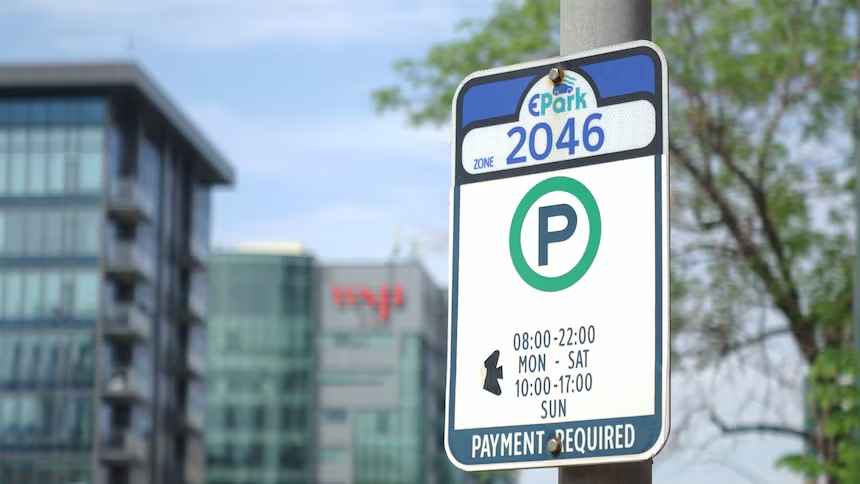 Edmonton is looking at overhauling the way it manages parking. Some city councillors say higher fees are an inevitability in a growing city. (Caleb Perreaux/Radio-Canada) Living in a relatively car-centric city, many Edmontonians have grown up used to having an abundance of free parking. But securing one of those free spaces could become increasingly rare as the city overhauls its parking policies. City administration is looking at a host of possible changes for 2027. They include eliminating 15-minute free parking periods, increasing some hourly rates and piloting paid parking at select city-owned facilities like Fort Edmonton Park. Further down the pipe, the city is looking to expand the residential parking program and bring in new technology, including automated enforcement. All in all, the changes could double the revenue the city brings in from parking by 2028. Coun. Anne Stevenson said in an interview Friday that she believes this is a turning point. “We're not a small town anymore,” she said. “We're growing into a big city and that puts different pressures and constraints on our curbside. “Ultimately it's a culture shift. It's a tough conversation that we have to have with Edmontonians.” 15 minutes freeCurrently, in paid parking zones on Edmonton streets, the first 15 minutes are free. In a report heading to urban planning committee on June 9, city staff recommend eliminating that feature next year. City administration says the move would support improved turnover and parking availability in high-demand areas. But some business owners say they are worried about what it could mean for them. “For us, it’s quite important,” said Yvan Chartrand, owner of Bonjour Bakery on Whyte Avenue. He said many customers just want to stop in on their way home to grab a baguette that costs a few dollars. “If on top of that you have to add parking, … it makes it quite difficult for us to attract and keep those existing customers.” 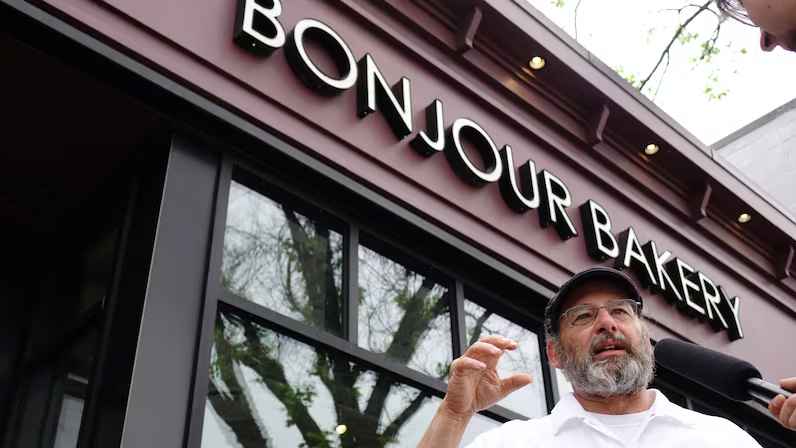 Kelly Dyer, the manager of Audreys Books on Jasper Avenue, said getting rid of the 15-minute free parking policy compounds with other city decisions that she said have made it harder to park downtown, including eliminating free evening parking and removing EPark meter machines. “It doesn't entice people to want to come downtown anywhere. We’re already struggling with that,” Dyer said. “It feels like it's nickel and diming now at this point.” Stevenson, whose ward includes downtown, said she wants to explore finding a middle ground solution to keep a free option for people making quick stops. The city will also be reviewing hourly rates to better respond to market conditions with dynamic pricing. The report notes in some locations city parking is 40 to 50 per cent below market rates. “There's a Goldilocks parking formula,” Coun. Michael Janz said Friday. “If your parking is less than 80 per cent full, it's probably priced too high.” RecreationIn December, Janz said he was reflecting on how hard it is to get a parking space at some city-owned facilities, noting most don’t even have a nominal fee. He said by charging for parking, it would disincentivize people leaving their cars parked in city lots all day long. Now that idea is coming to fruition. The city will be launching a pilot to begin charging a parking fee at some of these facilities, starting with three locations that face high demand to start:
The first hour will be free, with each subsequent half hour costing $1, up to a $5 daily maximum. “We know that there's no such thing as free parking,” Janz said Friday. “At the end of the day, there's a cost to the city, a cost to the taxpayer. And as more and more people want to park, we have to figure out a way to manage that asset.” Part of the pilot project will also be trying out different pricing regimes, including discounts for Edmonton residents, people who hold annual recreation passes and those who are already part of other city affordability programs. Council may also explore investing the additional parking revenue into upgrading the facilities and surrounding public spaces. At the zoo for example, the 480 parking stalls could make $425,000 a year. Potential expansion of the pilot project could include recreation centres or parks. The city is also starting to look at park and ride facilities, hoping to make pricing and enforcement more consistent. Growth and enforcementThe city report says the crunch for parking is growing in Edmonton because of massive population growth, greater density — driven in part by the new zoning bylaw — and changing travel patterns. That is prompting renewed interest in expanding the number of neighbourhoods that require a residential parking permit. The city will do engagement this summer and fall and look to implement the new program in 2028. It will focus on areas experiencing lots of growth, proximity to commercial space and institutions and increasing demand for curbside parking. And this parking overhaul will also require more proactive enforcement. The report says only 10 per cent of parking sessions are being checked by bylaw officers, and compliance is around 70 to 85 per cent. It says in other cities with strong enforcement, compliance is typically closer to 95 per cent. The city hopes to get approval from the provincial government to start using automated enforcement technology. By Emily Williams ---------------- Signature: Website moderator. Feel free to contact me. Reply |