Alberta Disability Assistance Program takes effect Wednesday.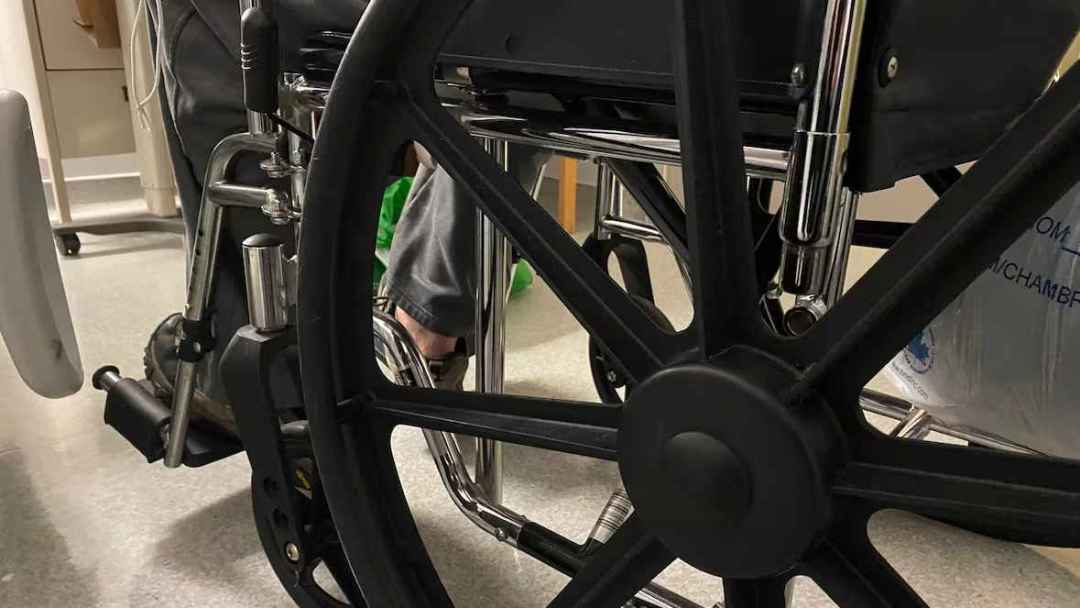 An undated file photo of someone sitting in a wheelchair. (Carolyn Ray/CBC) Albertans who receive benefits via the Assured Income for the Severely Handicapped (AISH) say they’re left with few options and mounting stress as many recipients are to be moved to a new iteration of the provincial program starting Wednesday. The provincial government has previously said its new Alberta Disability Assistance Program (ADAP) is meant to allow people to keep more earnings from paid employment while still receiving health and personal benefits from the province. The program is meant to coexist with AISH. Some Albertans will still remain on AISH if they meet a series of criteria for exemption. That includes those who are deemed to have severe or profound developmental disabilities, those living in a continuing care home and those living in palliative care. Albertans who are moved to ADAP but who believe they should qualify for AISH can apply to remain part of the program. After relying on AISH for around 24 years, Edmontonian Julie Andrew will be transitioning to ADAP. She said she lives with cerebral palsy and often uses a wheelchair and because of that is limited in how much she can work. Because her husband also relies on AISH, she said her household income will be slashed by a significant amount as a result of the transition. “We really significantly have to tighten our grocery budget, which is the only place that we can actually significantly cut our budget,” Andrew said in an interview. “We have fixed expenses of rent which will go up at some point.”  On July 1, the provincial government will transition 46,000 Albertans from Assured Income for the Severely Handicapped (AISH) to the Alberta Disability Assistance Program (ADAP). As CBC Calgary's Terri Trembath reports, while the province says it will empower more people to work, some people living with disabilities say it's creating uncertainty and adding to their health concerns. People on ADAP will receive $200 less a month than they received under AISH, after the transition period is complete on Jan. 1, 2028. Andrew said she’ll be looking to apply to be put back on AISH. The provincial government has said it will cover the cost of one medical reassessment for those who want to seek reconsideration for AISH. Darryl Learie said he lives with generalized anxiety, depression, attention deficit hyperactivity disorder (ADHD) and is on the autism spectrum. In April, he brought a petition against ADAP that collected over 5,000 signatures to the Alberta legislature, and said he feels his concerns were dismissed by the government. 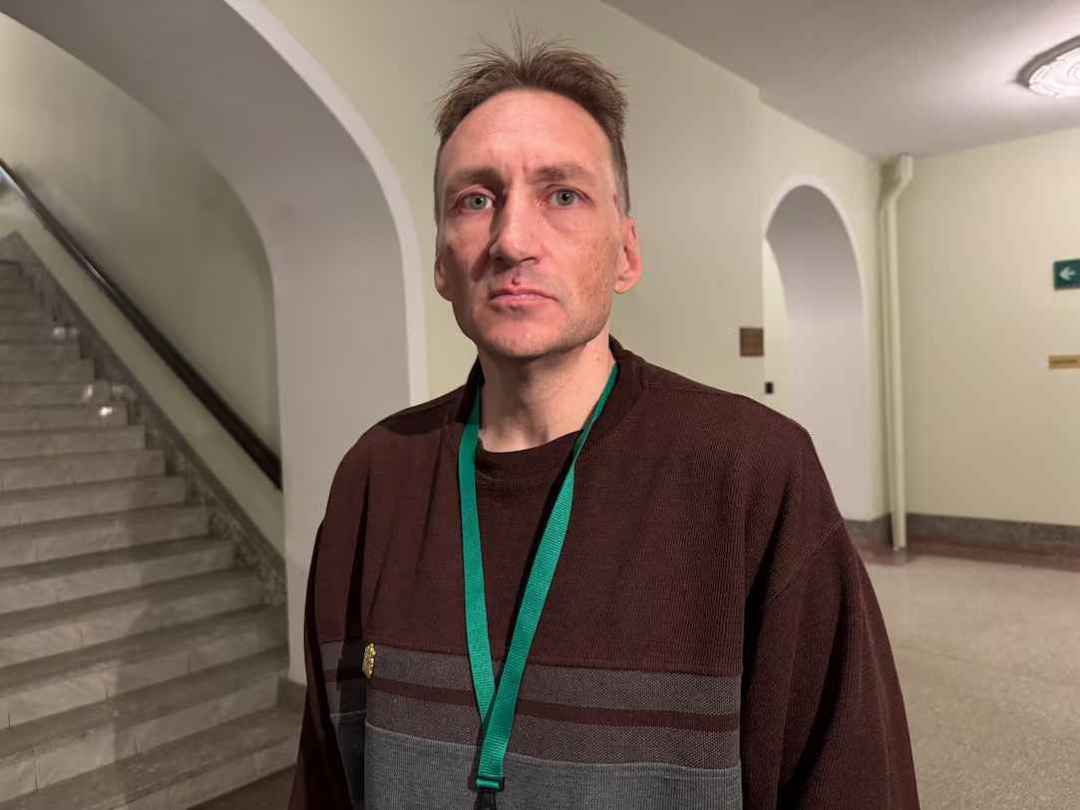 Darryl Learie, an AISH recipient for nearly 30 years, brought a petition to the Alberta legislature on April 14, 2026, where the Opposition NDP presented it during question period. (Janet French/CBC) Learie said a number of previous decisions made by the Alberta government when it comes to disability support has compounded this feeling. “When you have university-educated professionals that specialize in medicine and they're telling you this is a bad idea, the refusal to listen to that is arrogant,” said Learie, who has relied on AISH for nearly 30 years. The Alberta Medical Association and several municipalities in Alberta have called on the province to stop the transition to ADAP. They cited concerns around the cut in benefits, and workplace accessibility. A number of disability advocacy groups had their provincial funding cut last year. Learie said his disabilities get in the way of his ability to find work. He said he is facing possible bankruptcy. “It's very difficult to divide disability into black and white categories, in the categories of can work and cannot work,” he said. “I'm terrified. I don't feel any sense of contentment. I don't feel excited about the future." Terri Grills has two adult children that rely on AISH. She said neither of them work, and both have been experiencing mental health issues relating to the transition to ADAP. “We're already looking at trying to rearrange housing and figure out how we can best support all of our kids financially,” she said. “My husband and I are both at the age where we should be fully retired, but in this economy and with them losing support, we have to step up for them. “They cannot do it themselves. That's why they were receiving AISH, and watching them struggle mentally has been the hardest thing. It just breaks our hearts.” A statement from Jonah Pickle, the press secretary for Alberta’s Ministry of Assisted Living and Social Services, said protections have been put in place for ADAP recipients. “ADAP’s core benefit rate is among the highest in the country, providing $300 more per month than most disability programs in Canada,” Pickle said. “ADAP will also allow for the highest level of employment income in the country while receiving financial benefits, meaning Albertans on ADAP can earn more from working while continuing to receive the support they need. “Alberta's government is committed to ongoing engagement with stakeholders, service providers and clients to ensure we are meeting the needs of all disability income assistance recipients.” By Emma Zhao ---------------- Signature: Website moderator. Feel free to contact me. |